

Beef & Vegetable Stir-Fry
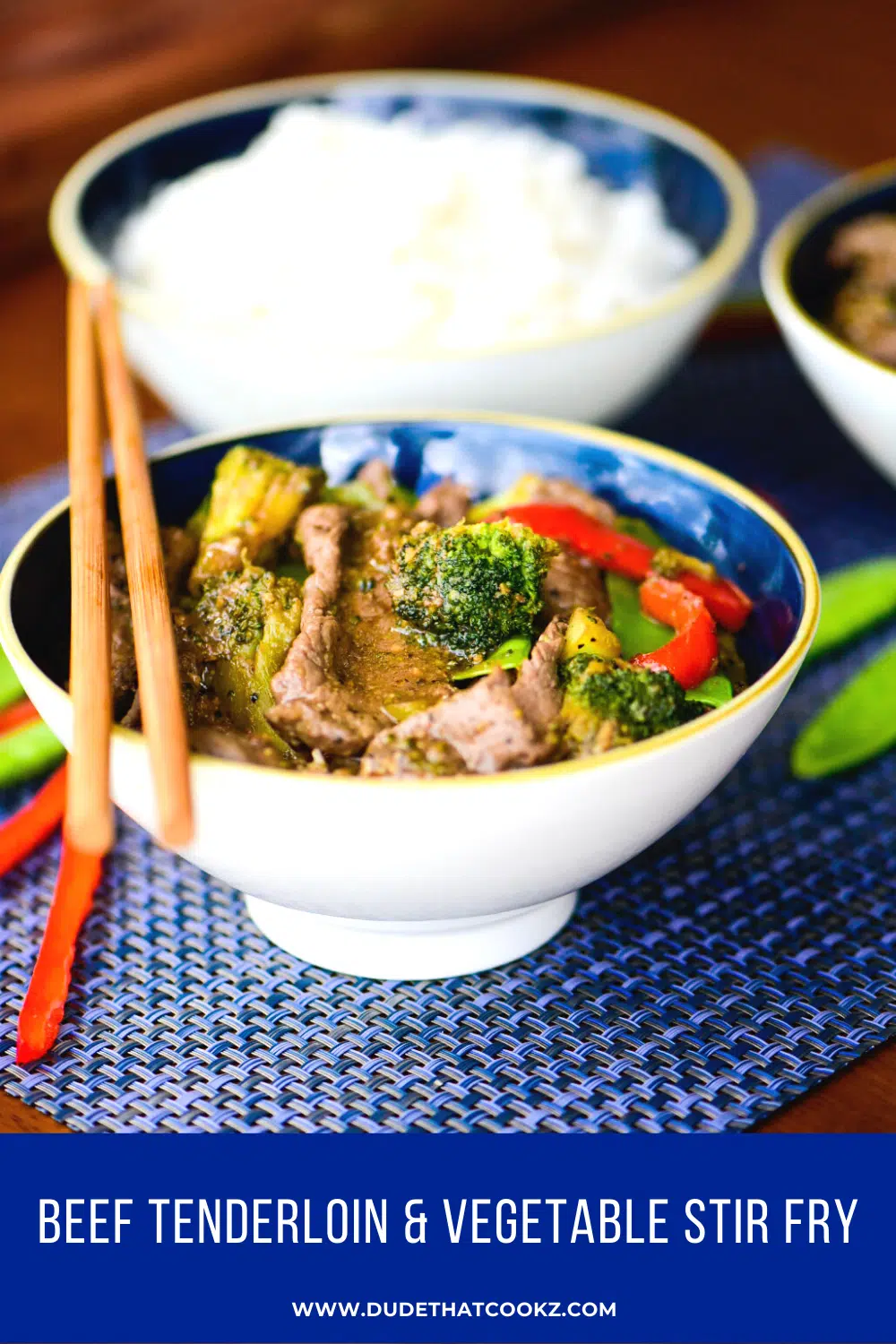
This Beef & Vegetable Stir-Fry recipe is a very tasty dish, loaded with tender beef and a variety of fresh vegetables. Perfect for dinner anytime.
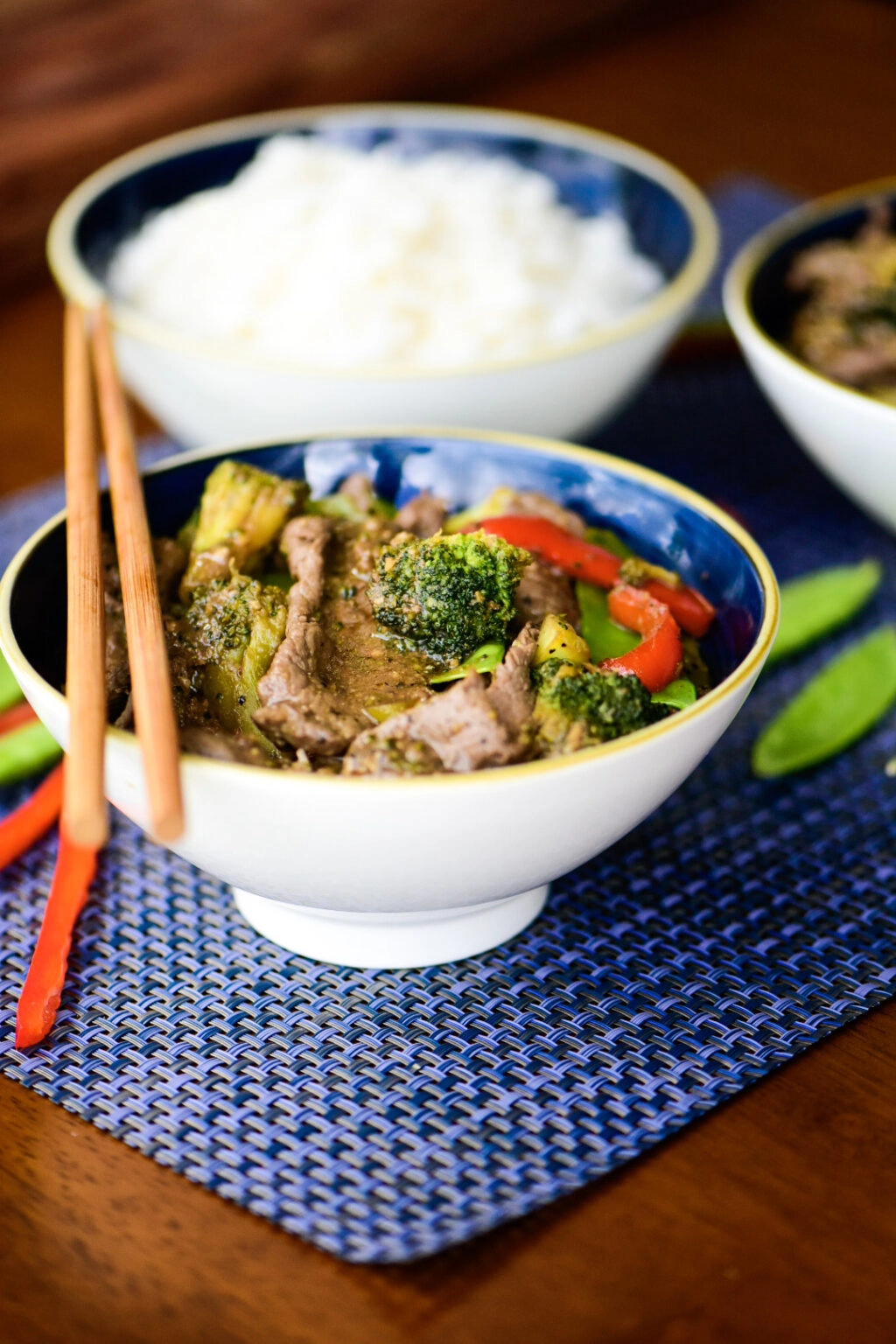
You can’t go wrong with thinly sliced tenderloin beef with pretty much anything — and stir-fries are a great choice. And because it is simple to pull together and packs a ton of flavor, it’s a recipe to add to your rotation.
As far as preparation is concerned, the bulk of your time will be spent slicing the tenderloin. Just pull out your knife sharpener, and you’ll be ready to go. That is, unless you go for pre-sliced beef.
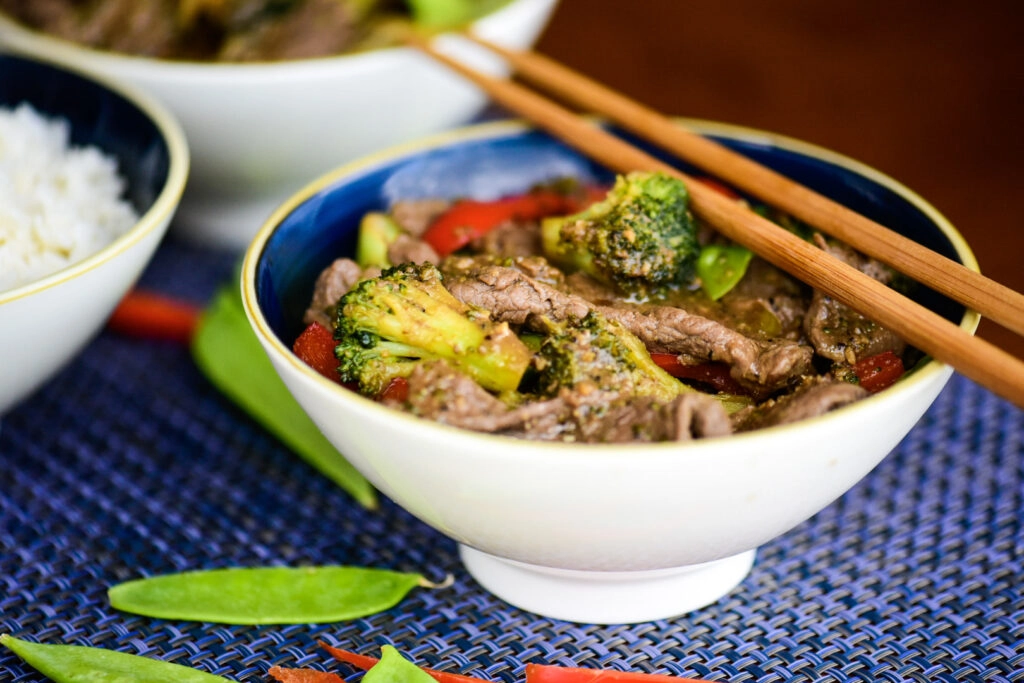
How to make Beef & Stir Vegetable Stir-Fry:
Prep the beef tenderloin. To begin this recipe, you will need to thinly slice the beef tenderloin and trim any excess fat. Or, you could just skip this step altogether and purchase the pre-cut beef (see the different cuts to use below).
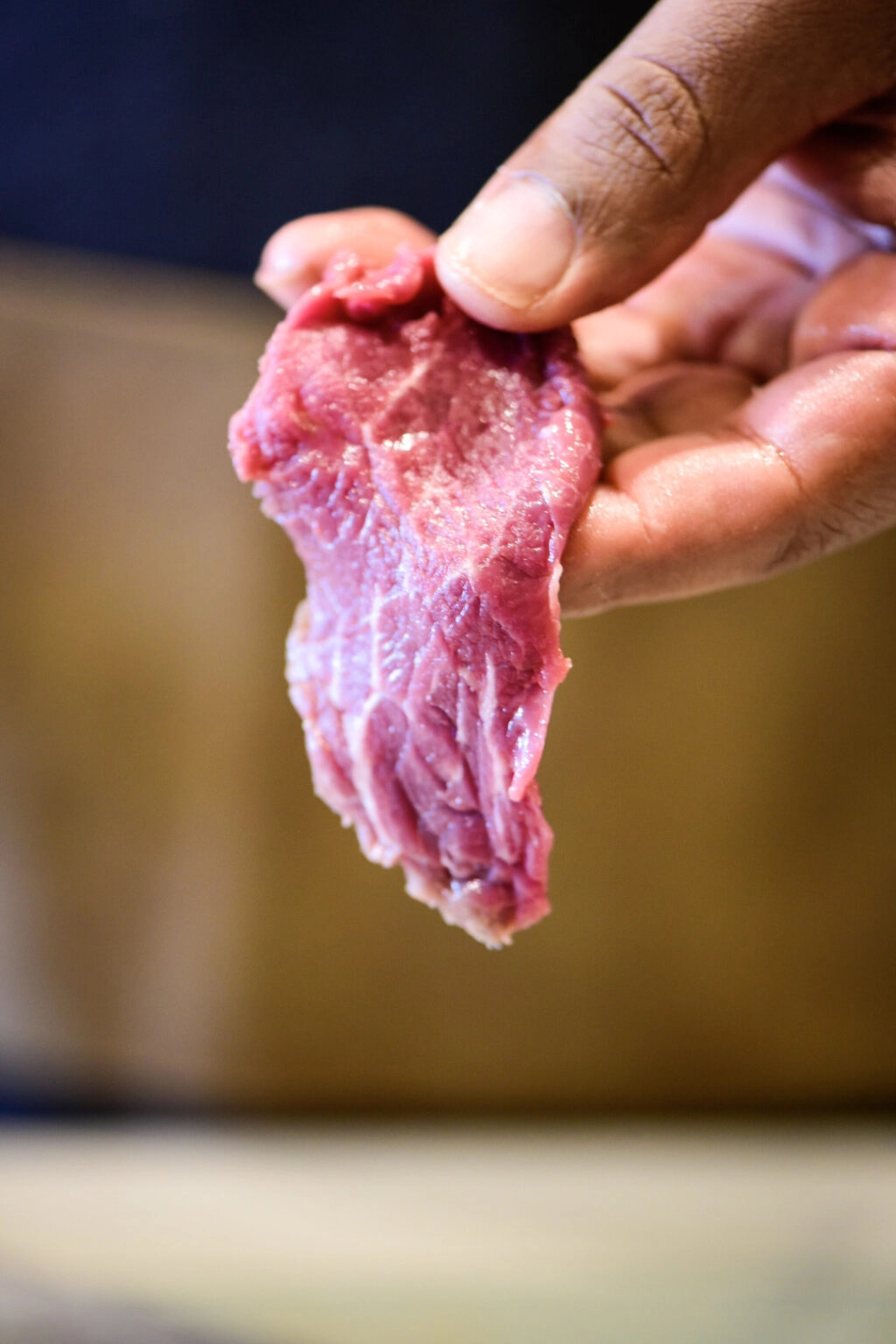
Marinate the beef. Add the sliced beef to a large bowl with the beef marinade ingredients and marinate for at least 30 minutes in the refrigerator.
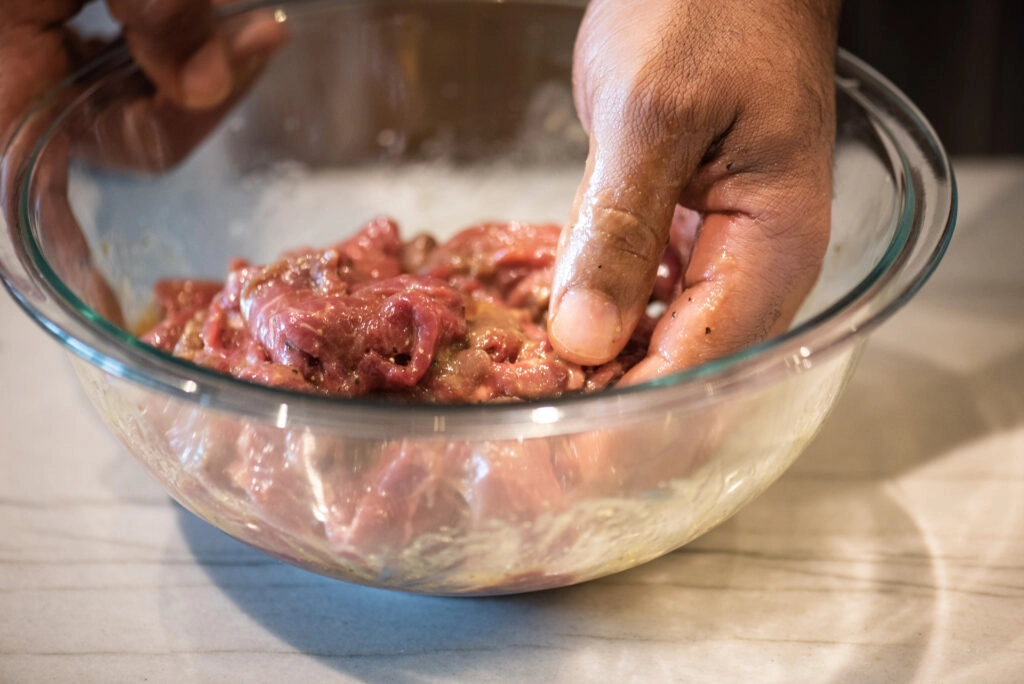
Stir-fry the beef. Once your beef is ready, cook it for 2 to 3 minutes in a wok (paid link), pan, or skillet. Remove the beef from the skillet and set it aside.
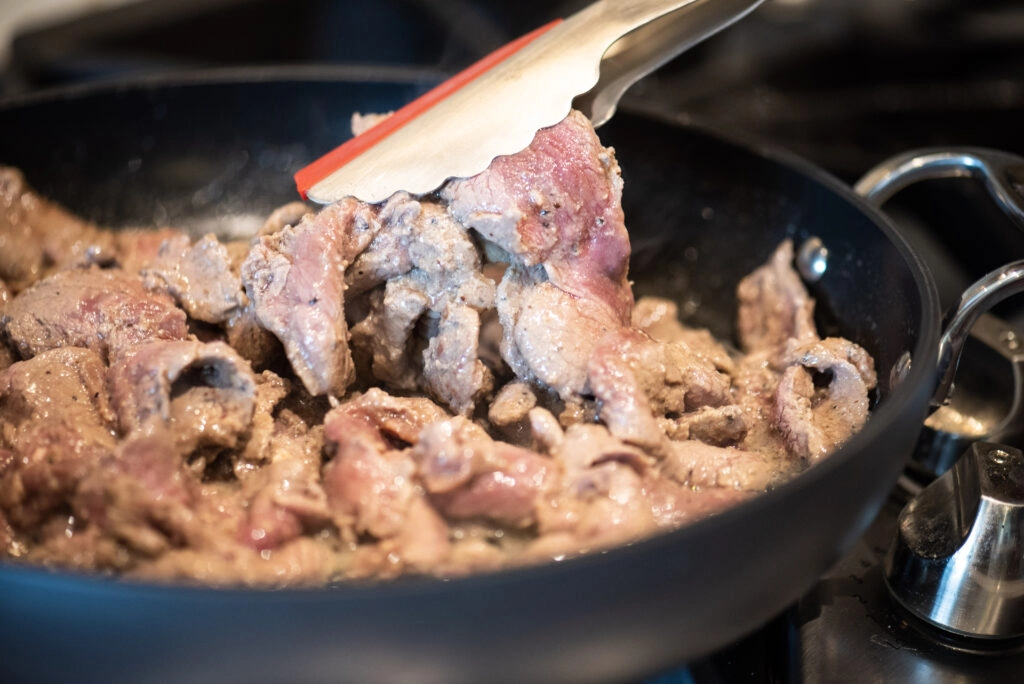
Stir-fry the vegetables. Because broccoli takes longer to cook, we’ll start there first. Heat oil in a wok (paid link) over medium-high heat. Add the broccoli, stirring constantly for about 2 minutes. Add the snow peas and red bell pepper strips to the wok (paid link). Stir-fry everything together for another 2 to 3 minutes.
Make the sauce. In a separate bowl, add all sauce ingredients and whisk (paid link) together.
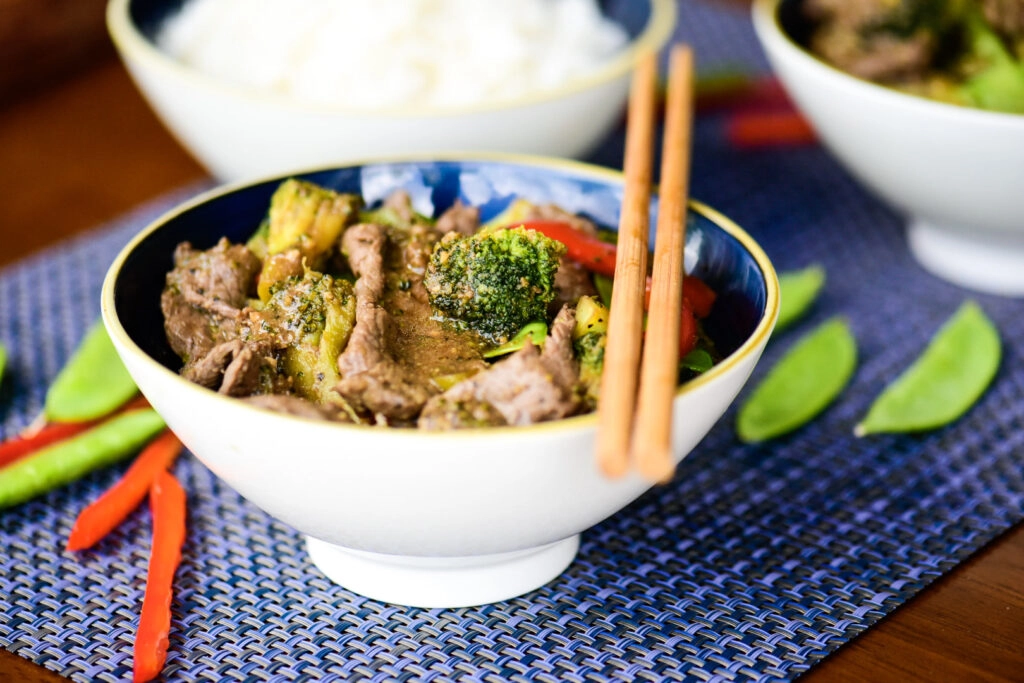
Combine all ingredients. Lower the temperature on your skillet, then add the beef and sauce. Allow to simmer for 2 minutes. Serve alone or on a bed of rice.
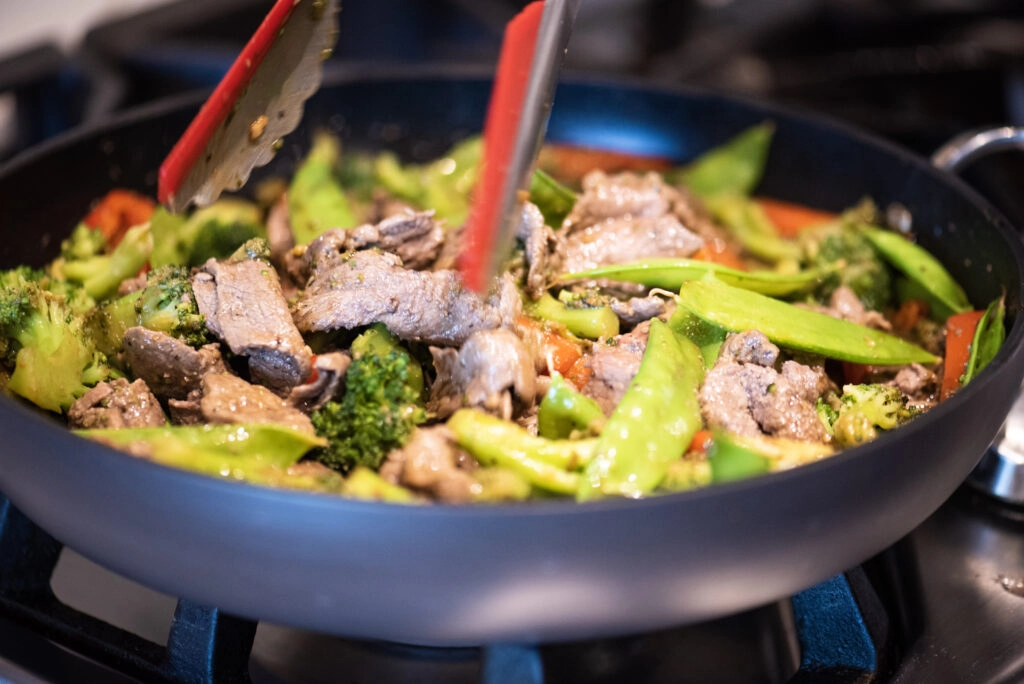
I hope you will thoroughly enjoy this dish if you are a stir-fry lover. You can put this Beef and Vegetable Stir Fry on the menu any day of the week.
Tips
- What type of beef should I use in a stir-fry? If you were to visit a Chinese restaurant, you’d find they use flank steak in many of their dishes, like their beef and vegetable stir fries. However, other tender cuts could be used, including sirloin, ribeye, strip loin, or flat iron. I chose to go with tenderloin for this recipe. Tenderloin beef carries less connective tissue, which is why this cut is so tender.
- Should I marinate my beef before using it in a stir-fry? An astounding yes! How do you think that Chinese takeout that you love so much ends up so tender? The marinade. The process used is called “velveting”. Velveting involves coating and marinating thinly sliced beef in a mixture of soy sauce, Chinese cooking wine, egg whites, baking soda, cornstarch, and sesame oil, then refrigerating it for at least 30 minutes. At this point, a thin coating forms on the beef, and the egg tenderizes the meat by altering its pH.
- Is it important to cut my beef slices thin? The thicker your beef, the longer it will take to cook. And the longer you cook it, the outside tends to be overcooked while the inside is undercooked. Plus, an overcooked slice of beef will be tough, and no one wants that. So slice them thin, but not to where they are translucent.
Here are a few more low carb beef recipes you may enjoy:
- Delicious Instant Pot® Beef Stew
- French Onion Gouda Stuffed Meatballs
- Classic Southern Style Meatloaf
- Filet Mignon Dinner for Two
- Low-Carb Tex-Mex Casserole

Beef Tenderloin & Vegetable Stir Fry
Enjoy a Chinese-style takeout at home with this light Beef Tenderloin & Vegetable Stir Fry! This stir fry is quick and easy to pull together and combines tender beef with broccoli, red bell peppers, and snow peas.
- Total Time: 25 minutes
- Yield: 4 1x
Ingredients
- 2 lb beef tenderloin
- 4 oz snow peas
- 16 oz broccoli florets
- 1 red bell pepper, sliced
For the beef marinade:
- 1 tbsp low-sodium soy sauce
- 1 tbsp Shaoxing (Chinese) cooking wine
- 1 egg white
- 1 tsp cornstarch
- 1 tsp baking soda
- 1 tsp toasted sesame oil
- 1/2 tsp garlic powder
- 1/2 tsp black pepper
For the sauce:
- 1/2 cup light low-sodium soy sauce
- 4 tbsp Oyster sauce
- 1/2 cup Shaoxing (Chinese) cooking wine
- 2 tsp sesame oil
- 4 tsp sugar
- 4 tsp cornstarch
- 1/2 cup water
 Get Recipe Ingredients
Instructions
- Thinly slice the beef tenderloin and remove any excess fat. Place the beef and marinade ingredients in a bowl, cover, and refrigerate for 30 minutes.
- Cook the beef in a wok (paid link) or skillet at high heat for 2 to 3 minutes, then remove from the heat and set aside.
- Add all sauce ingredients to a bowl and whisk (paid link) together. Set this to the side.
- Heat oil in a wok (paid link) over medium-high heat. Add the broccoli first, stirring constantly for about 2 minutes. Add the snow peas and red bell pepper strips to the wok (paid link). Stir-fry everything together for another 2 to 3 minutes until the broccoli is bright green and the vegetables are crisp-tender.
- Lower the heat and add the beef and sauce. Simmer for 2 minutes and serve.
Notes
If you prefer softer broccoli, you can add 1 to 2 tablespoons of water or broth to the wok (paid link) after adding the bell pepper and snow peas, then cover for 1-2 minutes to let the vegetables steam.
Nutrition
- Calories: 358
- Sugar: 4.6g
- Sodium: 1534mg
- Fat: 9.9g
- Carbohydrates: 14.2g
- Fiber: 4g
- Protein: 51.9g
- Cholesterol: 135mg
So good! Easy to add different veggies or carbs. We’ll definitely make again.
Thanks, Alexa! So glad you enjoyed it!
Hi Eric,
I followed your recipe closely albeit with a smaller amount of steak for two people, and I proportioned the recipe accordingly. It was excellent but a bit too salty. I will try it again but will reduce the salt. Yes I did use low sodium soy sauce, been caught on that one before. We have left-overs so I will add a little sugar and see how the second serving goes. I live in Australia and all our measures are metric. It would be useful if USA chefs added the metric equivalent when they list recipes. Apart from making it easier it would remove one possibility for errors.
Hi John! Thanks for the feedback. Since there is only 1/2 teaspoon of salt in the recipe, the additional saltiness is most likely coming from the hoisin sauce. The amount of salt or saltiness is definitively a personal preference, but I am glad you still enjoyed it and were able to make it work.