
Easy Homemade Southern Pecan Pralines
The post may contain affiliate links.

These Easy Homemade Southern Pecan Pralines are the real deal: creamy, caramel-rich candy loaded with toasty pecan pieces and made with just five pantry ingredients. Each bite starts firm and then melts into brown sugar, butter, and vanilla—just like pralines from a New Orleans candy shop.
Here are a few more desserts you might enjoy: Mini Sweet Potato Pies, Moist Lemon Glazed Pound Cake, Sweet Potato Hand Pies, Bananas Foster Bundt Cake, Ooey Gooey Pineapple Butter Cake, and Sweet Potato Cheesecake

Growing up in Louisiana, there were a few legendary treats, and aside from the popular King Cake, Bread Pudding, and Beignets, Pecan Pralines (or “Pecan Candy” as we call them) are a culinary staple. Chefs in New Orleans created this delicacy, and it has since spread across the South.
Even today, people in my hometown will pay top dollar for anyone who knows how to make this awesome treat. Why? Well, this recipe will take some time and a little patience—and may even take a few tries to perfect. But with a little practice, you’ll have this recipe down in no time! Although the pecan candy uses only five ingredients total, the science is in the cooking process—and, most importantly, the temperature.
Good pralines aren’t about fancy ingredients. Evaporated milk is the clever shortcut here. It’s milk with about 60% of the water already cooked off, so it browns in the pot and turns into a deep, toffee-like caramel flavor without the sugar browning or burning. Once the mixture hits 235°F (the soft-ball stage), butter and vanilla go in, and then the slow stir begins. That steady stirring is what makes the magic happen: it sets the candy into a creamy, fudge-like texture with a matte finish that tells you it’s ready. A handful of pecans at the end adds a buttery crunch that keeps all that sweetness in balance. If you’ve been nervous about candy making, this recipe is the perfect place to start.
What you’ll love about this recipe:
Ingredients you’ll need to make Homemade Southern Pecan Pralines:
Be sure to check out the full recipe and ingredient list below
- Butter: Used twice. A little at the start keeps the milk from sticking and scorching, and the rest goes in after it boils for a rich, buttery flavor and creamy texture. A small amount also greases your cooling surface.
- Evaporated milk: The secret to the caramel flavor. Because much of the water is already gone, its milk sugars and proteins brown as they cook, giving the candy its golden color and toffee-like taste. Use evaporated milk, not sweetened condensed milk; they aren’t the same thing.
- Granulated sugar: The structure of the candy. As it cooks to the soft-ball stage and is stirred while it thickens, it forms tiny crystals that give pralines their signature creamy, melt-in-your-mouth texture.
- Pecan pieces: The star of the show. They add a buttery crunch and a roasted, slightly bitter flavor that balances the sweetness of the candy.
- Vanilla extract: Rounds out the caramel flavor with a sweet, bakery-style aroma. Add it after the boil so its flavor stays strong.
So what exactly are pecan pralines?
Pecan pralines are broken pieces of candy made using sugar, evaporated milk, pecans, butter, and vanilla extract. You will also find them in the form of small circles. The texture of pralines are soft when they are initially poured, but firm up as they cool. The resulting texture is a buttery confection that melts in your mouth. Aside from the pecans, this is not hard candy.
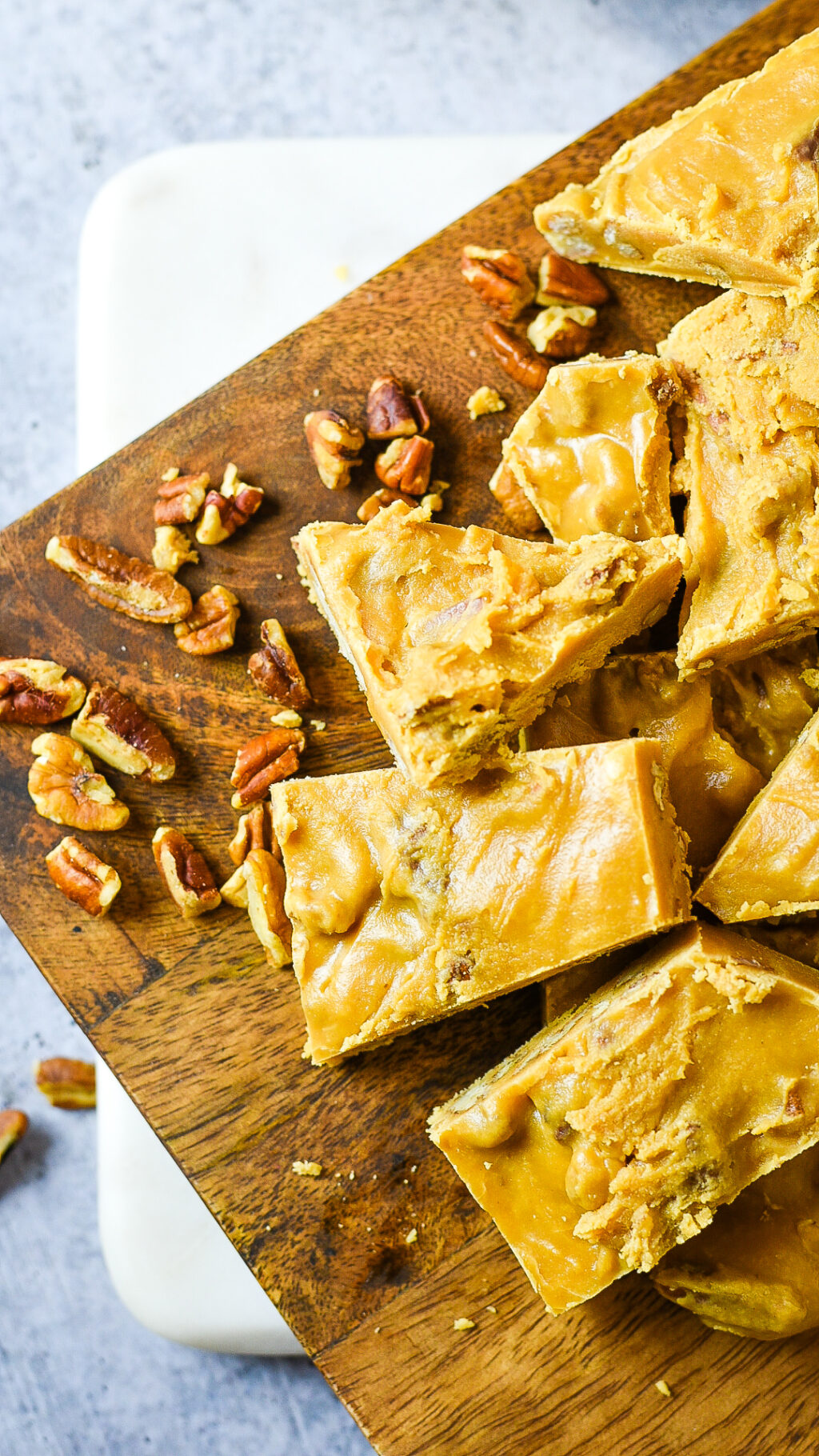
How to make Homemade Southern Pecan Pralines:
Prep your cooling surface. Butter a large baking sheet or line it with parchment paper so it’s ready to go. Once the candy is ready, it sets quickly, so this step takes 2 minutes and saves a lot of stress later. You won’t have time to do this once the candy is done, so get your pouring area ready ahead of time.
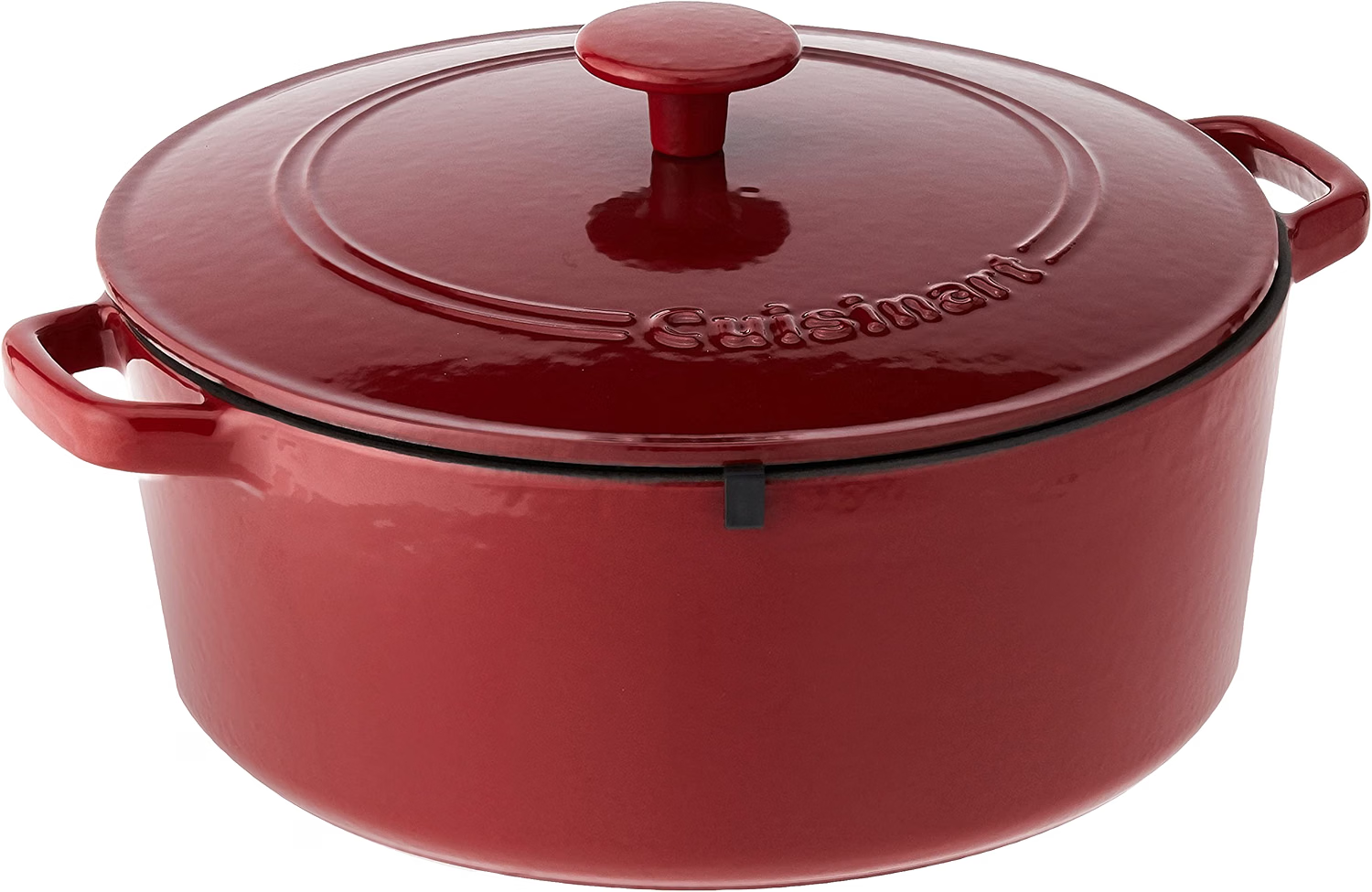
Boil to the soft-ball stage. In a large, heavy-bottomed saucepan or Dutch oven, combine a little butter with the evaporated milk and sugar. Bring the mixture to a boil and cook, stirring often, until it reaches 235°F on a candy thermometer, about 10-15 minutes. Note: The pot should be deep enough that the sugar doesn’t boil over during cooking.

Simmer and stir. Lower the heat to medium and keep the candy at a light bubble, stirring with a wooden spoon. At this point, your candy should have a caramel color.
Add the butter and vanilla, then stir until thick. Stir in the vanilla extract and the remaining butter, lower the heat to medium-low, and keep stirring for 25-30 minutes, until the candy turns thick, creamy, and matte. This is where the elbow grease comes in. The longer you stir, the thicker the candy will become. You want a thick consistency, but not so thick that you can’t pour the candy easily.
Fold in the pecans and pour. Fold in the pecan pieces, take the pot off the heat, and pour the candy onto your prepared baking sheet. Spread it to your desired thickness, let it cool for about 1 hour, then cut or break it into pieces. You can also use a cookie scooper to place your candy in a circular form (I just prefer the raw look of broken pieces).

Tips
Praline Tips & Tricks
- Toast your pecans first. Spread the pecan pieces on a baking sheet and toast them at 350°F for 6-8 minutes, until fragrant. Toasting brings out their natural oils, giving the pralines a richer, roasted flavor and a crisper crunch.
- Watch for the matte finish. The candy is ready when the glossy shine fades to a dull, matte surface and it starts to hold its shape on the spoon, but is still pourable. Pour too early, and the pralines won’t set; wait too long, and the candy seizes in the pot. If it gets too stiff, stir in 1 tablespoon of evaporated milk over low heat to loosen it.
- Add a little flaky sea salt. Sprinkle a little flaky sea salt over the pralines right after you spread them. The salt sharpens the caramel flavor and balances the sweetness, just as it does in salted caramel.
- Swap the nuts or add bourbon. Walnuts or toasted almonds work well in place of pecans. For a grown-up Southern twist, replace 1 teaspoon of the vanilla extract with 1 tablespoon of bourbon, added at the same time as the vanilla.
Make-Ahead and Storage Tips
- Make ahead: Pralines are a great make-ahead candy. Make them up to 1 week before a party or gift exchange; their flavor stays rich, and their texture stays creamy when stored properly.
- Storage: Once completely cool, layer the pieces between sheets of parchment or wax paper in an airtight container and store them at room temperature for up to 1 week. For longer storage, freeze them in an airtight container for up to 2 months, then thaw at room temperature, still covered, so condensation doesn’t make the surface sticky. Avoid the refrigerator, which can make the candy grainy and damp.
Frequently Asked Questions
Why didn’t my pralines set? Most often, the candy didn’t get hot enough or wasn’t stirred long enough before pouring. Make sure it reaches a full 235°F, and keep stirring until it loses its shine and turns thick and matte. Humid or rainy days can also keep pralines soft, since sugar pulls moisture from the air. If your batch stays soft, scrape it back into the pot, add 2 tablespoons of evaporated milk, and bring it back up to 235°F, then stir until thick and pour again.
Why are my pralines grainy? Graininess comes from sugar crystals forming too fast or too large. This usually happens when sugar crystals stuck to the sides of the pot fall back into the candy, or when the candy cooks at too high a temperature. Use a heavy-bottomed pot, wipe down the sides during the boil, and lower the heat as directed so the candy thickens slowly and evenly.
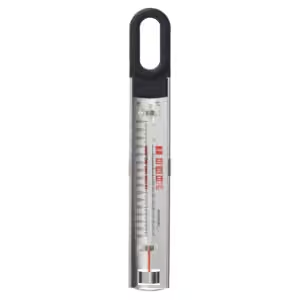
Can I make pralines without a candy thermometer? Yes, with the cold-water test. Drop a small spoonful of the boiling candy into a glass of very cold water. When it forms a soft ball that flattens when you take it out of the water and press it between your fingers, it has reached the soft-ball stage (235°F to 240°F). A thermometer is still the most reliable option, and an inexpensive clip-on one is worth having if you make candy often.
Print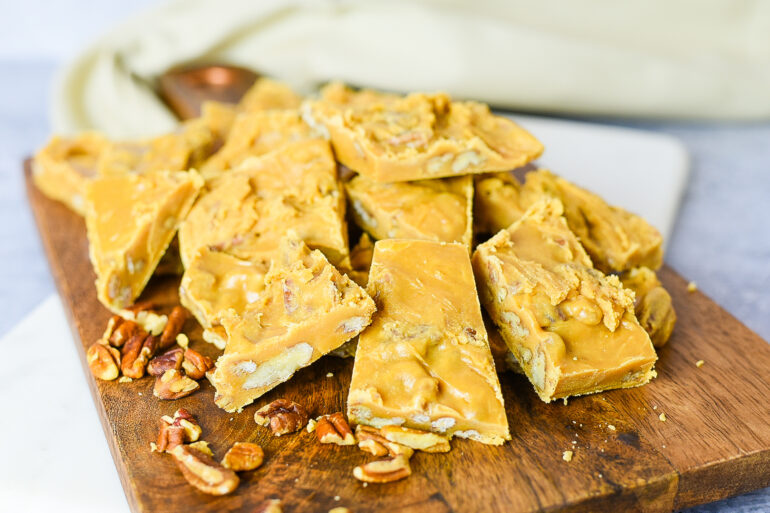
Easy Homemade Southern Pecan Pralines
Easy Homemade Southern Pecan Pralines with 5 ingredients. Creamy, caramel-rich candy made with evaporated milk, butter, and toasty pecans.
- Total Time: 1 hour 50 minutes
- Yield: 24 1x
Ingredients
- 2 cups Sugar
- 12 oz. Evaporated Milk
- 4 tbsp Butter
- 5 oz. Pecan Pieces
- 1 tbsp Vanilla Extract
 Get Recipe Ingredients
Instructions
- Prep your cooling surface. Generously butter a large rimmed baking sheet or a clean countertop, or line a baking sheet with parchment paper. Set it near the stove.
- Combine and boil. In a large, heavy-bottomed pot (at least 4 quarts) or Dutch oven, combine 1 tablespoon butter, the evaporated milk, and the sugar. Clip a candy thermometer to the side of the pot. Bring the mixture to a boil over medium-high heat, stirring often to dissolve the sugar and keep the milk from scorching. The mixture will foam up, so keep an eye on it.
- Cook to the soft-ball stage. Continue to boil, stirring often, until the candy reaches 235°F, about 10-15 minutes. It will turn a light golden caramel color.
- Lower the heat and stir. Reduce the heat to medium so the candy holds at a light bubble.
- Add the vanilla and butter. Stir in the vanilla extract and the remaining 3 tablespoons of butter until the butter melts completely. Lower the heat to medium-low.
- Stir until thick and matte. Keep stirring for 25-30 minutes, until the candy thickens, loses its glossy shine, and turns a matte finish with a thick, creamy consistency. It should still be loose enough to pour.
- Add the pecans. Fold in the pecan pieces until evenly coated, then remove the pot from the heat.
- Pour and spread. Immediately pour the candy onto the prepared surface and spread it evenly with the back of a spoon or a spatula to your desired thickness (about ½ inch).
- Cool and cut. Let the candy cool at room temperature until firm, about 1 hour. Cut or break into about 24 pieces and serve.


Notes
Toast your pecans first. Spread the pecan pieces on a baking sheet and toast them at 350°F for 6-8 minutes, until fragrant. Toasting brings out their natural oils, giving the pralines a richer, roasted flavor and a crisper crunch.
Watch for the matte finish. The candy is ready when the glossy shine fades to a dull, matte surface and it starts to hold its shape on the spoon, but is still pourable. Pour too early, and the pralines won’t set; wait too long, and the candy seizes in the pot. If it gets too stiff, stir in 1 tablespoon of evaporated milk over low heat to loosen it.
Add a little flaky sea salt. Sprinkle a little flaky sea salt over the pralines right after you spread them. The salt sharpens the caramel flavor and balances the sweetness, just as it does in salted caramel.
Swap the nuts or add bourbon. Walnuts or toasted almonds work well in place of pecans. For a grown-up Southern twist, replace 1 teaspoon of the vanilla extract with 1 tablespoon of bourbon, added at the same time as the vanilla.
Nutrition
- Serving Size: 1 piece, based on 24 pieces
- Calories: 145
- Sugar: 18 g
- Sodium: 30 mg
- Fat: 7 g
- Saturated Fat: 2 g
- Carbohydrates: 19 g
- Fiber: 1 g
- Protein: 2 g
- Cholesterol: 10 mg
Omg I’ve been in love with pecan candy since I was a child and now I’m 43 and still love it so much I gotta make it
Hi, Kendall! Let me know how it turns out. 🙂
I’ve not yet tried this recipe. It does sound similar to how my Mom and Dad used to make it. Now, no one in the family makes pecan candy. I will brave up and try it. Mine never seem to harden enough even though I think it has. Yours look and sound delicious! Thank you for sharing!
Hey Lydia thank you so much for sharing. It is most definitely a science to it with timing. I feel once you dive in it will all come together to like you hoped. Just be ready to stir for a while lol. Hope you enjoy!
Excellent recipe thank you!
Thanks, Valorie! Glad you enjoyed it!
Confused a bit because “brown sugar” is mentioned, yet it is not in the ingredients list. Is this term used as in what is a result of and referring to your first step, boiling the butter, sugar and milk? Is this a browning (of the sugar) process?
Hello, Tina! The term “brown sugar” was used in our introduction to describe the resulting flavor (filled with notes of brown sugar). Brown sugar is not an actual ingredient in this recipe. Please refer to the ingredient list and instructions in the recipe card. Hope this helps!
This is exactly how my grandmother 🙏🏾 made it, and thank you for the opportunity to revisit the past and remember this delicious candy, this recipe was excellent and so easy to replicate, I hope I made her proud 🥲 as she’s watching over me in heaven 💟, this was awesome 👍🏾.
Thanks for sharing Shonnie! This is how I grow up enjoying it and glad you were able to take that trip down memory lane!
The easiest simplest way to make pecan candy. I never saw my father use brown sugar when making candy so when I saw this one I was so excited candy came out perfect.
Thank you! Glad it came out as you expected. Thanks for trying the recipe!
Soooo, I can’t put it back in the pot if it’s too chewy right?
Unfortunately, once the candy is removed from the pot, there is no going back. If the candy is chewy, make sure you have given it enough time to cool completely.
I used a candy thermometer and set a timer after the 3rd step. I also used a cold glass of water to drop the candy in and tried forming a ball the easiest way to master is the candy thermometer cooking it between the softball and hardball stage take it off fold in your pecans and just watch how it seizes up but before it gets to hard pour in ya pan spread it out and let cool
Softball stage is more the melt in your mouth
Hardball is that more firm type of dusty pecan candy
Trust it will take practice but this is the closest to home I have found and I am from Louisiana a city nearby New Orleans so it’s more of a preference when it comes to this delicate staple.
We are creole folks and this recipe is the exact recipe I’ve been looking for because if I ask a family member to make it they always say it’s too much work! The directions are clear and I’ve now made 3 batches so far.
Thank you!
LaVada thanks for sharing! The feedback definitely helps me in making sure the instructions are concise so thanks!